


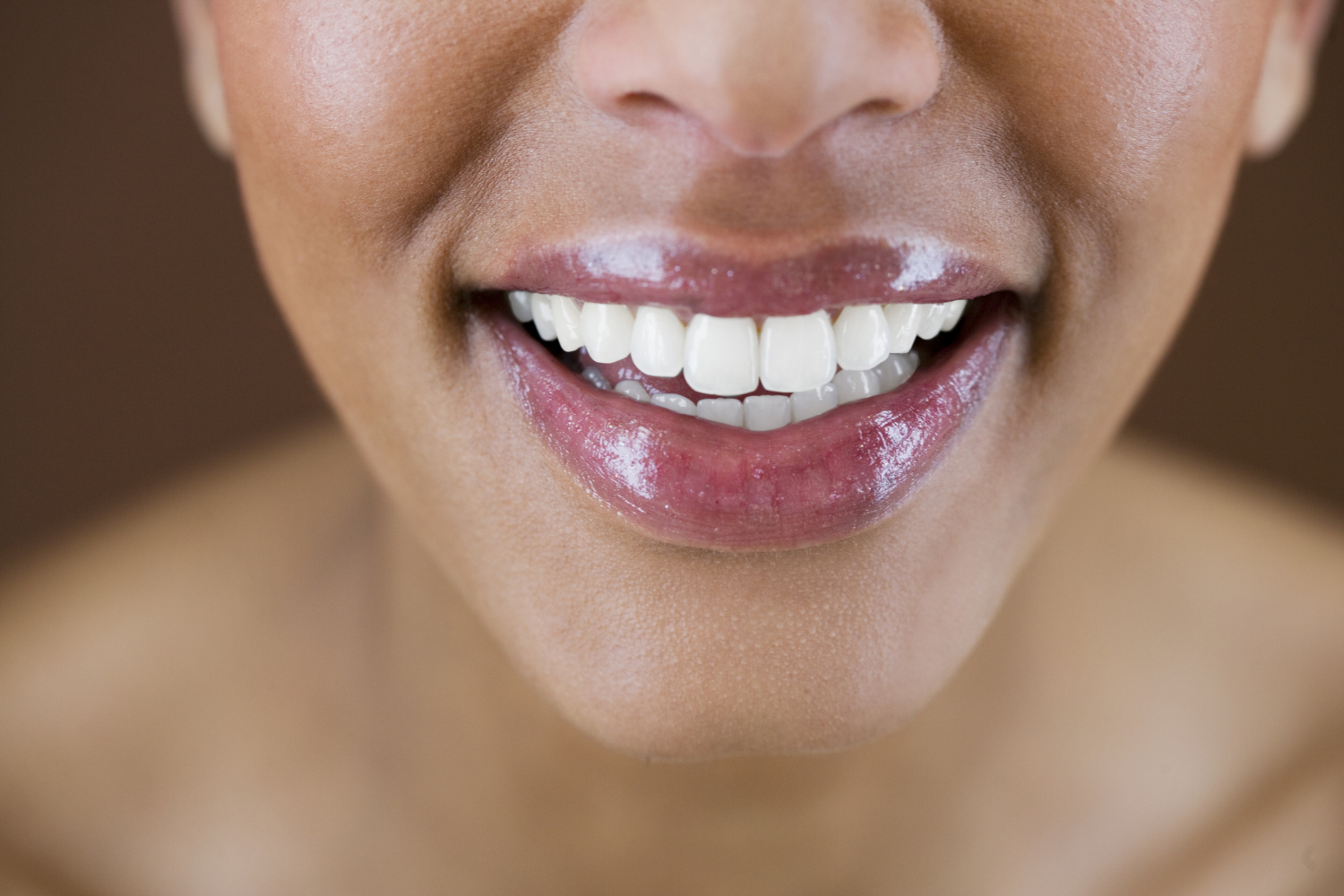


A bright, white smile is one of the most noticeable signs of confidence and good health. After investing time and care into a professional teeth whitening treatment, it is only natural to want those results to last as long as possible.
Understanding how to maintain white teeth after whitening is not about perfection or restriction, but about consistency, smart habits, and professional guidance. With the right approach, your smile can stay luminous for months or even years.
At Dentaris, maintaining results is considered just as important as achieving them. Whitening opens microscopic pores in the enamel, making teeth temporarily more vulnerable to staining.
This does not mean your smile is fragile, but it does mean that the days and weeks following treatment are critical. By combining proper oral hygiene, mindful dietary choices, and routine professional care, you can protect your investment and enjoy lasting results.
This guide explains how to care for your teeth after whitening in a clear, practical way. It follows a logical progression, from daily habits to long-term strategies, so you can build a routine that supports both beauty and oral health.
Understanding What Happens After Teeth Whitening
Why Teeth Are More Prone to Stains
Teeth whitening treatments use safe bleaching agents to break down discoloration below the enamel surface. During this process, enamel becomes slightly porous, which allows stains to lift away but also makes it easier for new pigments to attach. This effect is temporary, yet it explains why post-whitening care matters so much.
Knowing how to maintain white teeth after whitening begins with understanding that whitening does not make teeth stain-proof. Enamel needs time to rehydrate and remineralize. During this phase, protective habits play a key role in locking in brightness.
The Importance of the First 48 Hours
The first two days after whitening are the most important. During this window, teeth absorb colors more easily. Being mindful during this time significantly improves how long your results last. Professional guidance often emphasizes gentle care, hydration, and avoiding strong pigments so enamel can stabilize naturally.
Daily Oral Hygiene for Long-Lasting Whitening Results
Brushing Techniques That Protect Enamel
Brushing twice daily is essential, but technique matters. A soft-bristled toothbrush helps clean teeth without scratching enamel. Gentle circular motions remove plaque and surface stains while preserving the tooth structure that keeps your smile bright.
Fluoride toothpaste is strongly recommended because it strengthens enamel and reduces sensitivity. Strong enamel resists staining better over time, making it a foundation of effective whitening maintenance.
The Role of Flossing in Preventing Discoloration
Flossing is often overlooked, yet it plays a crucial role in keeping teeth white. Stains frequently develop between teeth where brushes cannot reach. Daily flossing removes trapped food particles and plaque, preventing discoloration from starting in hidden areas.
Consistent flossing also supports gum health, which enhances the overall appearance of your smile. Healthy gums frame white teeth beautifully and contribute to a polished, confident look.
Choosing the Right Whitening Toothpaste
Not all whitening toothpastes are the same. The best formulas remove surface stains gently rather than relying on harsh abrasives. Look for products that balance stain removal with enamel protection and sensitivity control.
When used regularly, a quality whitening toothpaste supports your routine without replacing professional care. It acts as a maintenance tool, helping your teeth stay bright between dental visits.
Using Whitening Mouthwash Safely
Whitening mouthwash can be a helpful addition to daily care. These products reach areas that brushing and flossing may miss, reducing surface stains and supporting fresh breath. Dentist-approved formulas are designed to be gentle while still effective.
Using mouthwash consistently reinforces your efforts and adds another layer of protection against discoloration.
Dietary Choices That Keep Teeth White
Foods and Drinks That Cause Staining
One of the most important answers to how to maintain white teeth after whitening lies in dietary awareness. Dark beverages such as coffee, tea, red wine, and cola are among the most common causes of staining. Deeply pigmented foods like berries, tomato sauces, and soy-based products can also affect tooth color.
Acidic foods soften enamel temporarily, making it easier for stains to adhere. Moderation is key, rather than complete elimination, especially once enamel has fully recovered.
The Value of the White Diet
The white diet is a short-term strategy designed to protect teeth immediately after whitening. It focuses on light-colored, low-acid foods that minimize staining risk. Items such as white rice, pasta, chicken, fish, eggs, dairy products, and peeled fruits support enamel recovery while keeping teeth bright.
Following this approach for the first 48 hours significantly improves long-term whitening results and reduces sensitivity.
Hydration and Its Protective Effect
Drinking plenty of water helps maintain a white smile by rinsing away food particles and pigments. Water also stimulates saliva production, which naturally neutralizes acids and protects enamel. Staying hydrated throughout the day is one of the simplest yet most effective whitening maintenance habits.
Reducing Tobacco Use
Smoking and vaping are among the fastest ways to undo whitening results. Tobacco products stain enamel deeply and dry the mouth, reducing saliva’s protective effects. Reducing or eliminating tobacco use not only preserves your white smile but also improves overall oral and general health.
Professional Care and Ongoing Whitening Maintenance
Why Regular Dental Cleanings Matter
Even the best home care cannot replace professional cleanings. Dental hygienists remove plaque and tartar that brushing alone cannot address. This buildup can dull teeth over time, making routine cleanings essential for maintaining brightness.
Visiting your dentist every six months helps preserve whitening results while ensuring that your teeth and gums remain healthy.
Touch-Up Whitening Treatments
Over time, natural staining can return depending on lifestyle and diet. Touch-up treatments help refresh your smile without repeating a full whitening procedure. Dentists often provide custom trays for safe at-home touch-ups, offering convenience and consistent results.
Knowing when and how often to touch up is part of understanding how to maintain white teeth after whitening without overdoing it.
Cosmetic Dentistry Options for Lasting Brightness
For patients with deep or uneven discoloration, cosmetic dentistry may offer long-term solutions. Veneers or bonding can provide consistent color and protect teeth from future staining. These options are especially beneficial when whitening alone cannot achieve desired results.
A professional consultation helps determine the most appropriate approach based on individual goals and oral health.
Managing Sensitivity and Protecting Enamel
Reducing Post-Whitening Sensitivity
Sensitivity after whitening is common but temporary. Using toothpaste formulated for sensitive teeth helps soothe nerves and strengthen enamel. Avoiding extreme temperatures in food and drinks during recovery also minimizes discomfort.
Gentle care supports comfort while protecting whitening results.
Strengthening Enamel for Long-Term Results
Fluoride treatments reinforce enamel and help seal microscopic pores left by whitening agents. Strong enamel resists stains more effectively, making fluoride an important part of long-term whitening maintenance.
Dentists may recommend professional or at-home fluoride options depending on individual needs.
Long-Term Habits That Preserve a White Smile
Smart Consumption Habits
Using a straw for dark beverages reduces contact with teeth. Rinsing with water after meals helps wash away pigments before they settle. These small adjustments add up over time and make a noticeable difference.
Consistency Over Perfection
Maintaining a white smile does not require strict rules or constant worry. Consistent habits, regular professional care, and informed choices are more effective than extremes. Balance is the key to sustainable results.
Frequently Asked Questions
How long do whitening results usually last
Whitening results typically last from six months to two years, depending on oral hygiene, diet, and lifestyle habits. Proper maintenance significantly extends this timeframe.
Can I drink coffee after teeth whitening
You can drink coffee, but it is best to wait at least 48 hours. Using a straw and rinsing with water afterward helps reduce staining.
Is whitening toothpaste safe for daily use
Yes, dentist-approved whitening toothpastes are safe for daily use and help remove surface stains while protecting enamel.
How often should I schedule whitening touch-ups
Touch-ups are usually recommended every three to six months, depending on individual staining habits and professional advice.
Protect Your Beautiful Smile with the Help of Our Team
Learning how to maintain white teeth after whitening is about protecting both your smile and your oral health. Whitening treatments provide a powerful transformation, but long-lasting results depend on daily care, dietary awareness, and professional support. By following a thoughtful routine and making informed lifestyle choices, your smile can remain bright, healthy, and confident.
At Dentaris, patients receive more than just whitening treatments. They receive expert guidance, personalized care, and long-term solutions designed to protect their investment. A white smile is not just about appearance; it reflects health, confidence, and quality care that lasts.


