


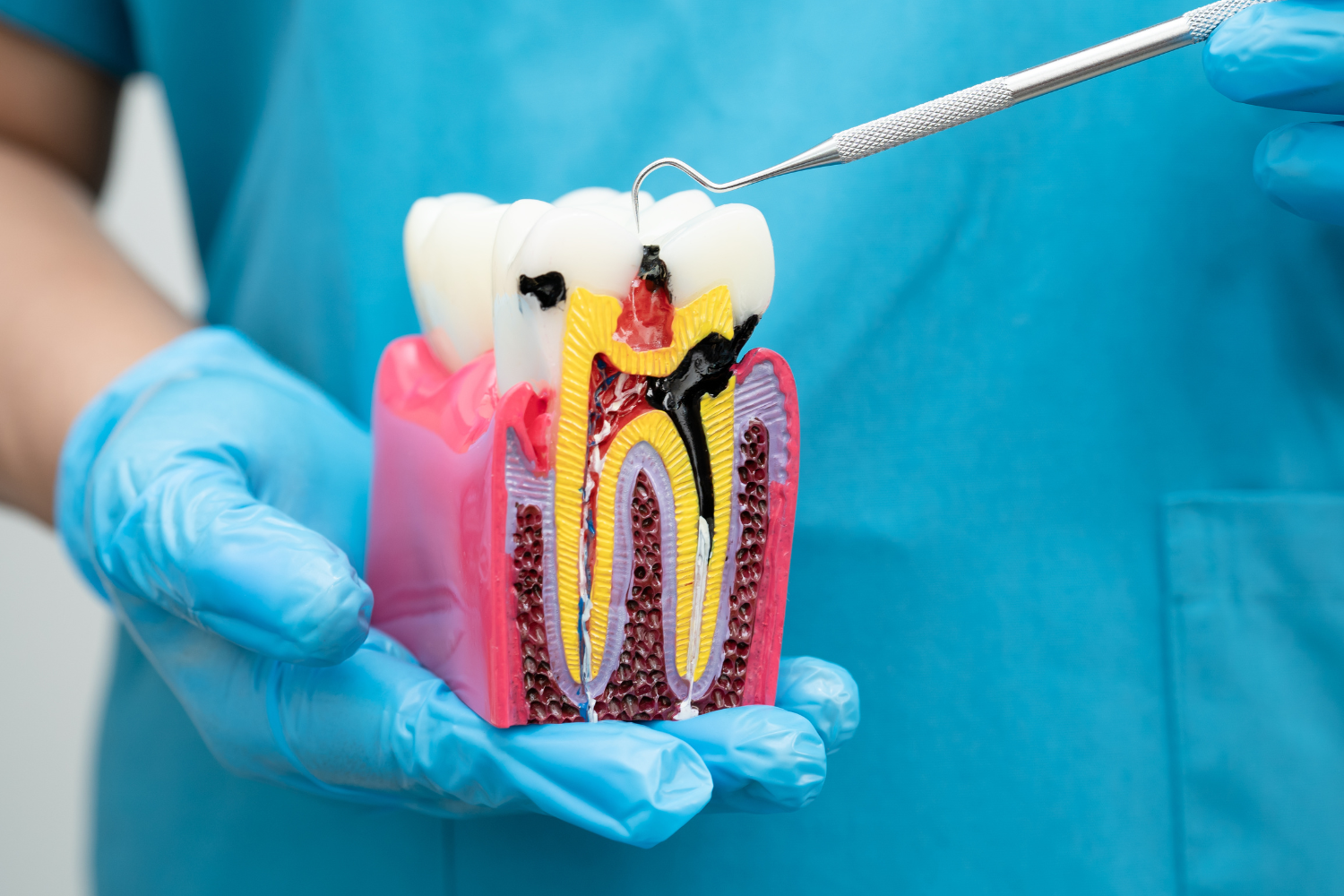


A root canal is often the treatment that saves a tooth that would otherwise need to be removed. If you are considering this procedure or have already had one, it is natural to ask how long does a root canal last and what you can do to make it last as long as possible.
At Dentaris, preserving natural teeth and helping patients understand their long-term oral health is a priority, which is why knowing what to expect after a root canal matters just as much as the treatment itself.
On average, a root canal can last 10 to 20 years, and in many cases, it can last much longer, even a lifetime. Longevity depends on several factors, including the tooth treated, the quality of the restoration, and how well you care for your oral health afterward.
Understanding these elements allows you to protect your investment in your smile and avoid unnecessary future dental procedures.
How Long Does a Root Canal Last on Average?
The lifespan of a root canal-treated tooth varies from patient to patient. Clinical studies and long-term dental observations show that most properly treated teeth last well over a decade. When restoration and aftercare are handled correctly, survival rates improve dramatically.
A key factor is whether the tooth receives adequate protection after the root canal procedure. Teeth that are fully restored soon after treatment tend to function normally for many years without complications.
Root Canal Lifespan With and Without a Crown
Teeth Restored With a Crown
A tooth that receives a crown after a root canal has a significantly higher chance of long-term success. Research shows that crowned teeth can last up to six times longer than those left without proper coverage. The crown seals the tooth, protects it from fracture, and prevents bacteria from re-entering the treated canals.
Molars and premolars benefit the most from crowns because they handle most of the chewing force. With a high-quality crown and good oral hygiene, these teeth often last 15 to 25 years or more.
Teeth Without a Crown
When a root canal-treated tooth is not protected with a crown, its lifespan is often shorter. The tooth becomes more brittle after the pulp is removed, making it more prone to cracks and fractures. In these cases, the tooth may last less than 10 years, especially if it is located in the back of the mouth.
Front teeth sometimes survive longer without crowns due to lower bite pressure, but they still benefit from some form of durable restoration to maximize longevity.
Does Tooth Type Affect How Long a Root Canal Lasts?
Front Teeth and Incisors
Front teeth usually have a single root and simpler anatomy, making them easier to clean and seal during a root canal. These teeth experience less chewing force, which reduces stress over time. With proper restoration and maintenance, a root canal on a front tooth can last several decades or even a lifetime.
Premolars and Molars
Molars have multiple roots and complex canal systems, which increases the difficulty of treatment. They also endure stronger chewing forces daily. Because of this, molars have slightly lower long-term survival rates than front teeth, but with proper crowns and care, they still last many years.
The key difference is not whether a root canal will work, but how well it is protected afterward.
Why Restoration Quality Matters So Much?
The restoration placed after a root canal is just as important as the procedure itself. A root canal removes infection but does not restore strength. That role belongs to the final restoration.
A well-fitted crown creates a tight seal that blocks bacteria, distributes bite pressure evenly, and prevents fractures. Poorly fitted restorations, on the other hand, can allow microscopic gaps where bacteria can enter, leading to reinfection.
At Dentaris, emphasis is placed on precision restorations that complement root canal treatment and support long-term oral health.
Key Factors That Influence Root Canal Longevity
Oral Hygiene and Daily Care
Daily habits play a major role in determining how long a root canal lasts. Brushing twice daily, flossing consistently, and maintaining healthy gums reduce the risk of decay around the treated tooth. Even though the tooth no longer has a nerve, it can still develop cavities.
Neglecting oral hygiene increases the chance of reinfection and gum disease, both of which can compromise the treated tooth.
Regular Dental Visits
Routine dental checkups allow your dentist to monitor the root canal-treated tooth and detect issues early. Small problems, such as minor leaks or wear on a crown, can be corrected before they become serious.
Most patients benefit from visits every six months, although some may need more frequent monitoring depending on their oral health history.
Skill and Experience of the Provider
The success of a root canal starts with proper execution. Dentists and endodontists who use advanced imaging and follow proven protocols are more likely to clean and seal all canals thoroughly.
Missed canals or incomplete cleaning are common causes of failure. Choosing a trusted dental provider significantly improves long-term outcomes.
Overall Health and Habits
Systemic health conditions such as diabetes can affect healing and infection risk. Habits like smoking or teeth grinding can also shorten the lifespan of a root canal-treated tooth.
Patients who grind their teeth should consider a night guard to reduce stress on restorations and prevent fractures.
Common Reasons Root Canals Fail Over Time
Incomplete Cleaning or Sealing
If bacteria remain inside the canals after treatment, infection may persist or return. Even small amounts of residual bacteria can cause inflammation and discomfort months or years later.
Proper sealing is essential to prevent bacteria from re-entering the tooth.
Delayed Crown Placement
Waiting too long to place a crown increases the risk of cracks and contamination. Teeth left exposed after a root canal are vulnerable, even if they feel fine initially.
Prompt restoration greatly improves long-term success.
Tooth Fracture or Structural Damage
Root canal-treated teeth are more brittle. Cracks can develop silently and eventually lead to failure. Sudden pain when biting is often a sign of fracture.
Protective restorations and avoiding hard foods help reduce this risk.
New Decay or Reinfection
Decay can still form around a treated tooth. If bacteria reach the root again, retreatment or extraction may be necessary. This highlights the importance of ongoing preventive care.
How to Maximize the Lifespan of Your Root Canal?
Commit to Preventive Care
Consistent oral hygiene and professional cleanings form the foundation of long-term success. Preventive care keeps bacteria under control and protects surrounding tissues.
Protect the Tooth From Excessive Force
Avoid chewing ice, hard candies, or other objects that may crack the tooth or crown. If you grind your teeth, wearing a night guard is essential.
Address Problems Early
Pain, swelling, or sensitivity around a root canal-treated tooth should never be ignored. Early intervention often saves the tooth and avoids complex procedures.
When Retreatment or Dental Implants Are Considered?
In some cases, retreatment can resolve issues and extend the life of the tooth. When damage is too extensive, a dental implant may be the best option. Implants replace the tooth root entirely and offer a long-term solution when a root canal can no longer be preserved.
Frequently Asked Questions About Root Canal Longevity
How long does a root canal last on a molar?
Molars typically last 10 to 20 years or longer after a root canal when protected with a crown and maintained properly. Without a crown, the lifespan is often shorter.
Can a root canal last a lifetime?
Yes, a properly treated and restored tooth can last a lifetime with excellent oral hygiene, regular dental visits, and healthy habits.
Is pain years later normal after a root canal?
Pain years later is not normal and may indicate reinfection, a crack, or gum disease. A dental evaluation is necessary to determine the cause.
Does a crown guarantee a root canal will last forever?
While a crown greatly improves durability, it does not guarantee lifetime success. Ongoing care and regular monitoring are still essential.
Making Your Root Canal Last as Long as Possible
Understanding how long does a root canal last helps you make informed decisions about your dental health. While the average lifespan ranges from 10 to 20 years, proper restoration, preventive care, and healthy habits can extend that timeline significantly.
At Dentaris, the focus is not only on treating dental problems but on helping patients preserve their natural teeth for as long as possible through high-quality care and education.
By following professional recommendations, addressing issues early, and committing to daily oral hygiene, your root canal-treated tooth can remain strong, functional, and pain-free for many years to come.


