


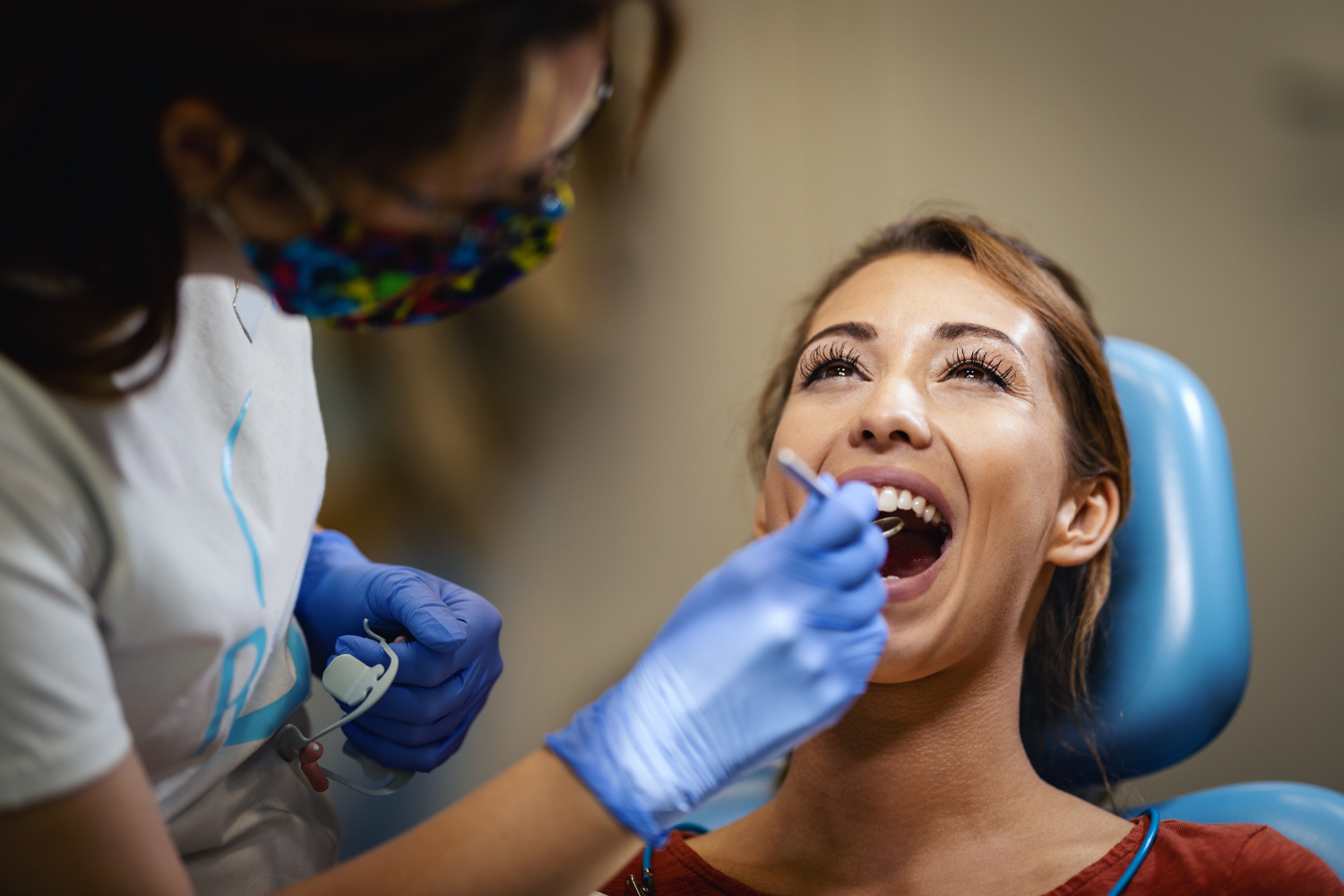


A Balanced Smile Begins with Healthy, Proportionate Gums
When we think of a beautiful smile, we often focus on the teeth—but the gums play an equally important role. A symmetrical gum line creates harmony, balance, and proportion, all essential elements of smile aesthetics. For individuals with uneven or excessive gum tissue, gum contouring can transform the appearance of their smile through subtle yet powerful changes.
At Dentaris, we value helping patients understand every aspect of modern dental care, even procedures we don’t directly perform. This guide explores what gum contouring for smile aesthetics involves, who can benefit from it, and why it’s become a sought-after solution in cosmetic dentistry.
You may also want to read: Does teeth whitening work with crowns or veneers?
What Is Gum Contouring?
A Precise Way to Redefine the Gum Line
Gum contouring—also called gum reshaping or gingival sculpting—is a minimally invasive cosmetic dental procedure designed to improve the proportions of the smile by reshaping the gum line. The treatment targets:
- Excessive gum tissue, which can create a “gummy smile” appearance
- Uneven gum levels that make teeth look asymmetrical
- Receding gums or exposed roots that affect aesthetics and comfort
Using advanced tools such as dental lasers, dentists can gently remove or reshape gum tissue to create a smoother, more balanced gum line that complements the teeth.
Although gum contouring is largely cosmetic, it can also provide functional benefits, such as making oral hygiene easier by eliminating hard-to-clean pockets between teeth and gums.
Why Gums Matter in Smile Aesthetics
Harmony Between Teeth, Gums, and Lips
The beauty of a smile is not determined by teeth alone—it’s the relationship between the teeth, gums, and lips that creates visual balance. When the gum line is uneven or covers too much of the tooth surface, the proportions of the smile can feel off.
In dental aesthetics, even small adjustments can have a big impact. By reshaping the gums, a dentist can:
- Enhance symmetry across the upper arch
- Reveal more of each tooth, giving them a longer, more elegant appearance
- Frame the smile naturally, aligning the gum line with facial features
Gum contouring is often used to complement treatments such as veneers, crowns, or smile makeovers, helping patients achieve a harmonious overall result.
How Gum Contouring Is Performed
Step 1: Evaluation and Smile Analysis
The process begins with a thorough examination of the patient’s gums, teeth, and smile proportions. Digital imaging and smile design software may be used to simulate the final results before treatment begins.
Step 2: Local Anesthesia for Comfort
A local anesthetic is applied to ensure a painless experience. Since the procedure involves soft tissue only, it’s typically quick and comfortable.
Step 3: Laser Reshaping or Scalpel Technique
Depending on the patient’s needs and the dentist’s technology, gum contouring may be performed with a soft-tissue laser or traditional instruments. Laser contouring has become increasingly popular because it allows for high precision, minimal bleeding, and faster recovery.
Step 4: Immediate Results and Healing
The results are visible immediately after the procedure. Patients often notice a more even gum line and improved smile proportions right away. Healing typically takes just a few days, during which the gums gradually settle into their new shape.
Key Benefits of Gum Contouring for Smile Aesthetics
1. Enhanced Proportion and Symmetry
By reducing excessive gum tissue and evening out the gum line, teeth appear more uniform in shape and size. This brings natural symmetry to the smile, especially for patients whose gum line varies from one side to the other.
2. Improved Smile Balance
Revealing more of the tooth surface elongates the appearance of the teeth, making the entire smile look more balanced and radiant.
3. Easier Oral Hygiene
When gum tissue is excessive or irregular, it can create small pockets that trap plaque. By contouring the gums, these hidden areas are minimized, making daily brushing and flossing more effective.
4. Boosted Self-Confidence
The aesthetic improvement after gum contouring can have a significant emotional impact. Many patients feel more confident when smiling, speaking, or taking photos.
5. Preparation for Other Treatments
In some cases, gum contouring is performed before placing veneers, crowns, or restorations. By creating the ideal gum line first, the final cosmetic results are more precise and natural-looking.
Laser Technology in Gum Contouring
Precision and Comfort Through Innovation
Modern laser dentistry has revolutionized gum contouring. Lasers allow dentists to remove and seal tissue simultaneously, minimizing bleeding and discomfort while speeding up healing.
Other advantages of laser gum contouring include:
- No need for sutures
- Reduced swelling or post-operative pain
- Shorter treatment time
- Lower risk of infection
Because of its precision, laser technology also helps dentists sculpt natural, smooth curves that align perfectly with the teeth.
What to Expect After the Procedure
Healing after gum contouring is usually straightforward. Most patients experience mild tenderness or swelling for a few days, which can be managed with over-the-counter pain relief and gentle oral hygiene.
Post-treatment recommendations typically include:
- Brushing gently after every meal with a soft-bristle toothbrush
- Avoiding spicy or acidic foods for the first few days
- Rinsing with a prescribed mouthwash or saltwater solution
- Attending follow-up appointments for assessment and reassurance
Patients generally return to their normal routines within 24–48 hours, and the gums fully heal within one to two weeks.
Gum Contouring vs. Crown Lengthening
Although these procedures may seem similar, their goals differ:
- Gum contouring focuses exclusively on reshaping the soft tissue for aesthetic improvement.
- Crown lengthening may involve removing both gum and bone tissue to expose more of the tooth’s structure, often for restorative purposes (like placing a dental crown).
A dentist will evaluate which approach best fits the patient’s clinical and cosmetic needs.
Who Can Benefit from Gum Contouring
This procedure is recommended for patients who:
- Feel their teeth appear too short due to excessive gum coverage
- Have an uneven gum line or asymmetrical smile
- Are preparing for veneers, crowns, or other aesthetic treatments
- Have healthy gums with no active periodontal disease
Individuals with gum disease or significant bone loss may need periodontal treatment first before considering cosmetic reshaping.
Potential Risks and Considerations
While gum contouring is generally safe and low-risk, it’s important that it’s performed by an experienced cosmetic dentist or periodontist. Possible complications—though rare—may include temporary gum sensitivity, swelling, or uneven healing.
Most of these effects are mild and resolve within days when post-procedure care instructions are followed.
Long-Term Results and Maintenance
The effects of gum contouring are long-lasting. Once excess tissue is removed, it rarely grows back. However, maintaining healthy gums through consistent oral hygiene is essential to preserving the results.
To maintain optimal outcomes:
- Brush and floss regularly
- Visit your dentist for routine cleanings and evaluations
- Avoid smoking or habits that may irritate the gums
By caring for your gums, you support not only your smile’s aesthetics but also its long-term health.
The Role of Gum Contouring in Comprehensive Smile Design
Cosmetic dentistry is about harmony, not perfection. Gum contouring is often one of the finishing touches in a complete smile design. When combined with procedures such as veneers, bonding, or whitening, it helps create a smile that looks naturally proportioned and beautifully balanced.
Dentists often use digital smile design software to plan this integration, allowing patients to preview potential results before committing to treatment.
Gum Contouring and Oral Health
Beyond aesthetics, gum contouring can contribute to better gum health. By eliminating excessive or uneven tissue, it becomes easier to clean along the gum line—an area that commonly harbors bacteria leading to gingivitis.
While not a treatment for gum disease, contouring can support better plaque control when performed after the gums are healthy and stable.
Frequently Asked Questions About Gum Contouring
Is gum contouring painful?
Most patients report little to no discomfort during the procedure. Local anesthesia and laser precision make it a comfortable experience.
How long does recovery take?
Healing time varies but usually ranges from a few days to one week. Patients can typically resume normal activities the same day.
Is gum contouring permanent?
Yes. Once reshaped, the gums maintain their new contour long-term, provided good oral hygiene is maintained.
Can gum contouring fix receding gums?
No. Gum contouring removes excess tissue; it doesn’t restore receded gums. For gum recession, grafting procedures may be recommended.
Does gum contouring improve oral hygiene?
Yes, by removing areas where plaque can accumulate, the procedure can make brushing and flossing more effective.
The Importance of Consulting a Qualified Professional
Gum contouring is a specialized cosmetic procedure that should always be planned and performed by a trained dental professional. A dentist experienced in cosmetic and periodontal care can determine whether you’re a candidate and design the ideal gum shape for your unique smile.
At Dentaris, our role is to guide and educate patients about the best treatment options available—whether performed in our clinic or through trusted specialists. Our goal is always to ensure that patients make informed, confident decisions about their oral health and aesthetics.
Balancing Beauty and Health
Gum contouring for smile aesthetics exemplifies how small refinements can have a transformative impact. By achieving balance between gums and teeth, patients can enjoy not only a more beautiful smile but also improved confidence and oral health.
Whether you’re exploring cosmetic dentistry options or simply learning about modern techniques, understanding procedures like gum contouring helps you appreciate how today’s dentistry combines science, precision, and artistry to create smiles that feel as natural as they look.


