


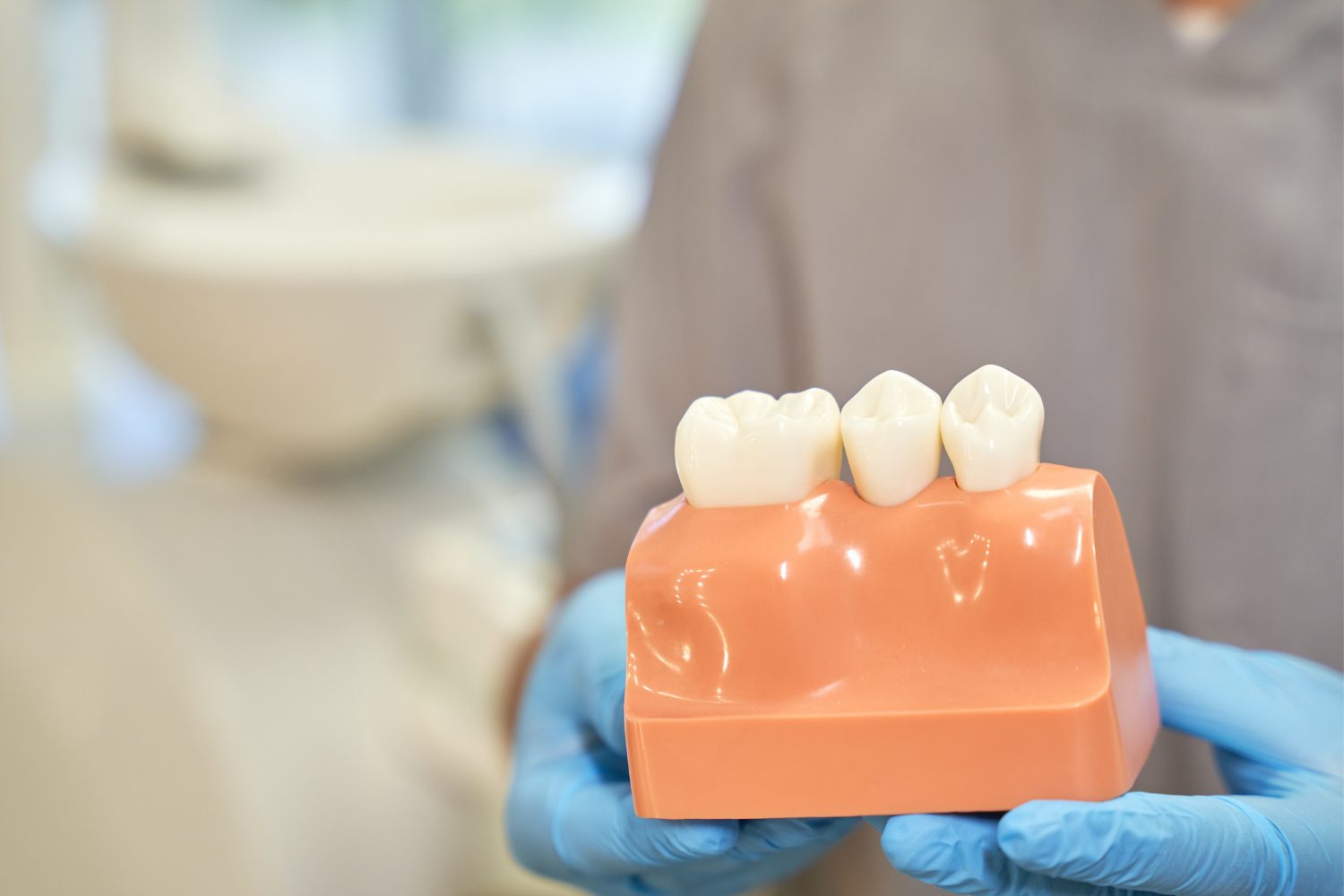


A dental crown is designed to protect and restore a damaged tooth, offering both strength and a natural look. But even the best restorations have a lifespan. Over time, daily wear, biting pressure, and natural changes in your mouth can compromise the crown’s fit or function.
Understanding the signs of failing dental crowns early can save you from discomfort, infection, or more complex dental treatments later on. At Dentaris, we often see patients who visit us after years of trusting a crown that has silently deteriorated — and with timely attention, we’re able to restore both comfort and aesthetics.
You may also want to know if dental implants are removable.
Why Dental Crowns Fail Over Time
Most dental crowns last between 5 and 15 years, depending on the material, oral hygiene, and bite habits. Porcelain, zirconia, and metal-based crowns all respond differently to the natural stresses of chewing and temperature changes.
Common reasons crowns fail include:
- Natural wear and tear from daily chewing or teeth grinding.
- Bonding material is weakening, allowing bacteria to enter.
- Decay beneath the crown from trapped food particles or poor hygiene.
- Changes in bite alignment or gum recession expose crown edges.
- Trauma or fracture from biting hard objects or accidents.
Even if your crown appears fine, microscopic gaps or cracks can begin to form, making routine dental checkups essential to detect early problems.
1. Pain or Sensitivity Around the Crown
Discomfort is one of the most noticeable signs of a failing dental crown. You might feel a dull ache, sharp pain, or sensitivity when biting or consuming hot and cold foods.
What This Could Mean
- The tooth under the crown may have new decay.
- The cement seal could have weakened, allowing bacteria to reach the nerve.
- A cracked crown may expose the inner layers of your tooth.
- The root canal beneath the crown might need retreatment.
If you experience recurring discomfort, don’t wait for the pain to worsen. The Dentaris team can perform a digital evaluation to pinpoint the problem and restore your comfort.
2. A Loose or Shifting Crown
A healthy dental crown should feel secure and stable. If it starts moving, clicking, or feels wobbly, it’s time for immediate attention.
Why It Happens
The adhesive bonding the crown to the tooth can weaken over time due to saliva exposure, grinding, or microleakage. Once bacteria enter these spaces, decay can develop quickly under the crown — even if it looks normal from the outside.
If your crown ever falls out completely, do not try to glue it back. Rinse it gently, keep it safe, and contact Dentaris right away so our specialists can assess and reattach or replace it properly.
3. Visible Cracks, Chips, or Fractures
Even minor cracks can compromise the strength and protection of your crown. You might notice:
- A rough or jagged edge when you run your tongue over the tooth.
- A visible hairline fracture or chip.
- A crown that feels different when you chew.
Cracks are often caused by teeth grinding (bruxism), biting hard foods like ice or nuts, or direct impact to the mouth.
At Dentaris, we use high-strength zirconia and porcelain materials designed to resist wear and maintain a natural look for years. If your crown is cracked, our specialists will evaluate whether it can be repaired or needs full replacement.
4. Gum Problems Around the Crown
Healthy gums should fit snugly around your crown. When issues arise, you might see:
- Swelling, redness, or bleeding near the gumline.
- Receding gums expose the crown’s edge.
- Discomfort when flossing around the crowned tooth.
These symptoms could indicate that bacteria are trapped beneath the crown or that the margin no longer seals properly. Gum inflammation can also develop if the crown is placed slightly below the gumline or if plaque has accumulated around it.
Our periodontist at Dentaris can evaluate your gum health, clean the area thoroughly, and ensure the new crown fits perfectly to prevent future issues.
5. Bite Changes or Chewing Discomfort
If your bite suddenly feels “off” — meaning your teeth no longer meet evenly when you close your mouth — your crown may have shifted or worn down unevenly.
This can cause:
- Uneven pressure on adjacent teeth.
- Jaw discomfort or TMJ symptoms.
- Difficulty chewing on one side.
An ill-fitting crown can also stress your opposing teeth, leading to cracks or enamel wear. At Dentaris, we use digital bite alignment technology to ensure every crown restores harmony to your bite and avoids long-term complications.
6. Dark Lines or Discoloration Near the Gumline
If you see a dark line or shadow around your crowned tooth, it might indicate:
- Metal exposure from older porcelain-fused-to-metal crowns.
- Decay beneath the crown.
- Microleakage allows bacteria to stain the tooth.
While a thin gray line might simply be cosmetic, a spreading black or brown discoloration requires professional evaluation. Our cosmetic dentists can assess whether it’s time to replace your crown with a modern, all-ceramic option that blends seamlessly with your natural teeth.
7. Bad Taste or Odor from the Crowned Tooth
Persistent bad taste or unpleasant smell localized to one tooth is never normal. It often signals:
- Bacterial infection under the crown.
- Trapped food debris.
- Tooth decay or abscess formation.
Since crowns are sealed restorations, odor typically means bacteria have breached the interior. Ignoring this symptom can lead to infection or tooth loss.
Dentaris uses advanced digital X-rays and intraoral scanning to identify the cause precisely and treat it before it spreads to surrounding teeth or gums.
When to Replace a Failing Dental Crown
The average crown lasts over a decade, but lifespan varies depending on oral hygiene, habits, and materials. You should consider replacement if you notice:
- Pain, looseness, or visible damage.
- Gum irritation or discoloration.
- Bad odor, taste, or bite discomfort.
Even if your crown seems fine, scheduling regular checkups — especially after five years of wear — helps your dentist detect small issues before they become major problems.
At Dentaris, our prosthodontic specialists assess not just the crown but also the underlying tooth structure, gum health, and bite balance to determine whether repair or replacement is the best solution.
Preventing Dental Crown Failure
While some wear is inevitable, proper care greatly extends the life of your crown. Follow these tips recommended by the Dentaris team:
- Brush your teeth after every meal using a soft-bristled toothbrush.
- Floss daily, paying attention to the gumline around the crown.
- Avoid chewing hard foods like ice, pens, or hard candy.
- Use a night guard if you grind your teeth.
- Schedule regular cleanings and checkups every six months.
These habits not only protect your crowns but also keep your gums and natural teeth healthy.
Why Patients Choose Dentaris for Crown Replacement
For over three decades, Dr. Joaquín Berron has been a leading name in prosthetic and implant dentistry in Cancun. Patients from the U.S., Canada, and beyond trust our clinic for advanced restorative treatments that combine artistry, precision, and long-term success.
At Dentaris, we don’t just replace crowns — we restore confidence, function, and natural beauty. Using state-of-the-art materials and guided digital workflows, our team ensures your restoration looks and feels just like a natural tooth.
If you suspect your dental crown might be failing, don’t wait for the symptoms to worsen. Our specialists can help you identify the problem and restore your smile comfortably and efficiently.
Schedule Your Evaluation at Dentaris
Whether you’re experiencing pain, sensitivity, or visible damage to your dental crown, our experienced team is ready to help.
Contact Dentaris today to schedule a personalized consultation. Our specialists will assess your dental health, discuss your options, and design a treatment plan that brings back your comfort and confidence.
The Dentaris team is here to help you protect your smile — beautifully and for the long term.


